



Tapayuna Art
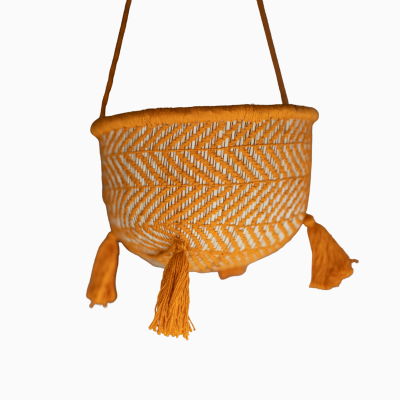
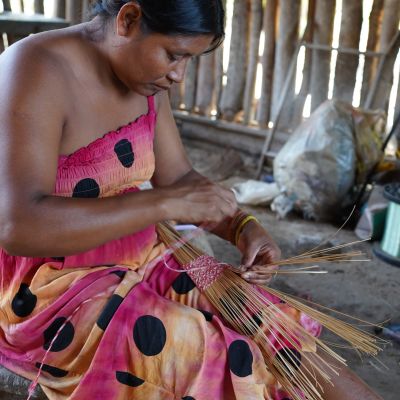
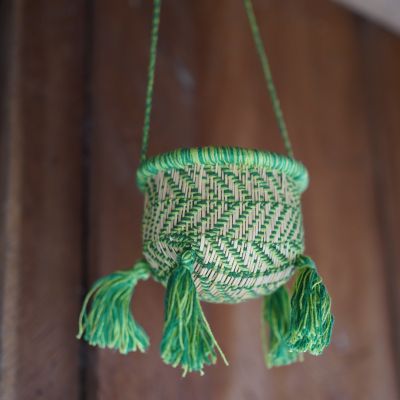
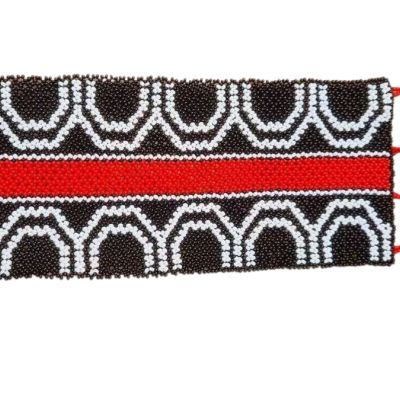
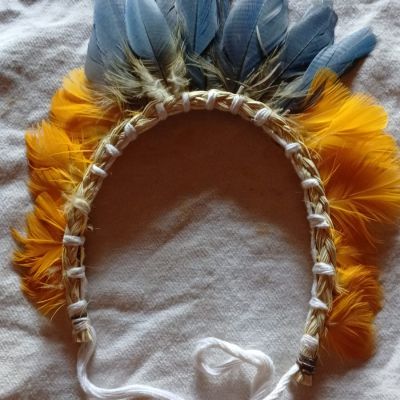
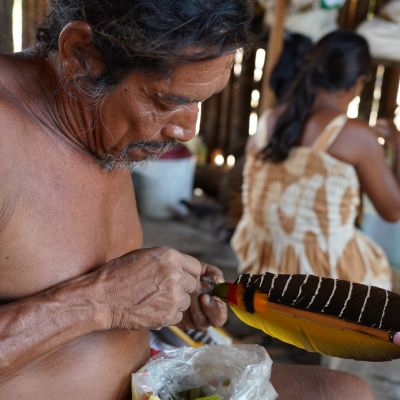
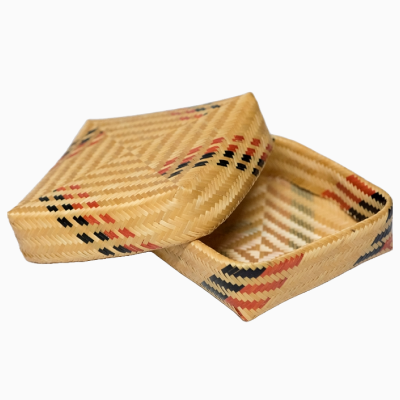
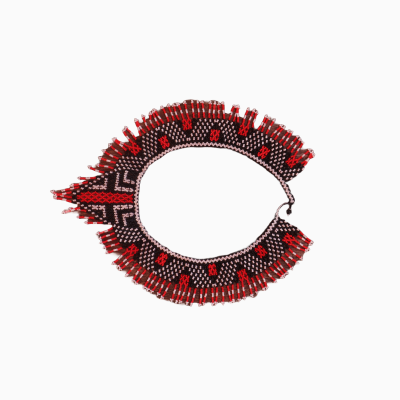
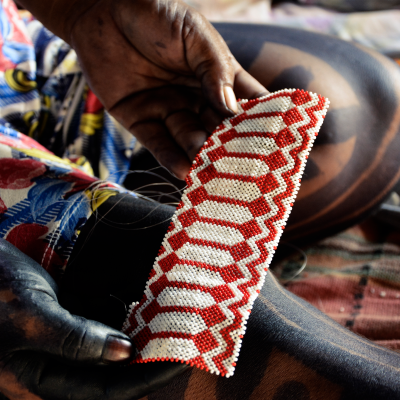
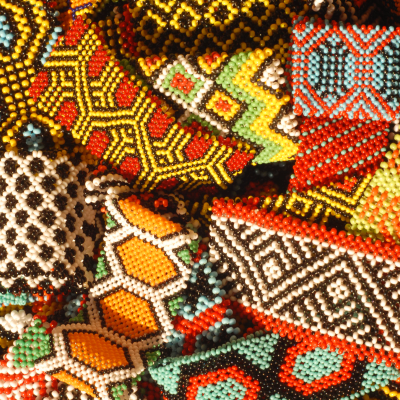
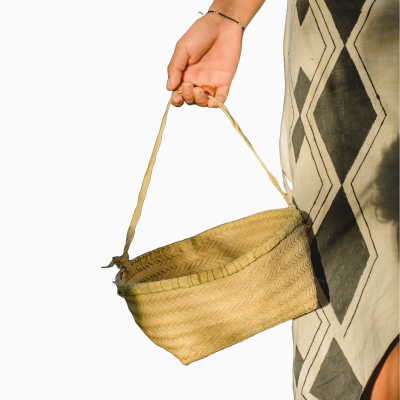
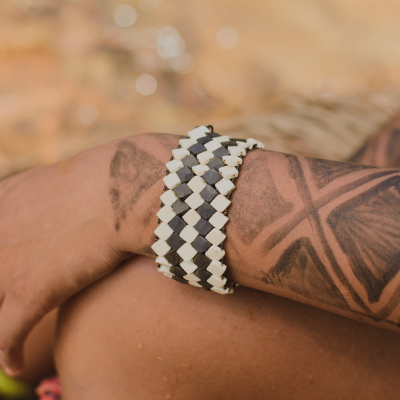
Tapayuna women are knowledgeable about the timing of a palm tree known as inajá—that is, they know when it is ready to provide its fibers. The shoot from the inajá stalk is harvested to make baskets, while the stalk itself is left intact so it can produce new shoots.Using a knife, they scrape the leaves and leave them to dry in the sun. In the past, the leaves were scraped using shells or animal teeth, and buriti fiber was used.Sitting down, they twist the fibers between the palms of their hands. Then, they begin to weave the fibers with colored cotton threads, shaping the baskets. The patterns carry the spirit and memories of the Tapayuna people.Each basket serves a specific purpose, but they are generally used by the Tapayuna to carry food and distribute it among their families.Traditional Tapayuna earrings were made from the leaf and shoot of the tucum palm. This material was coated with clay to lighten it and then dyed. Tucum was widely used to make bracelets, earrings, and necklaces. Tapayuna men, in turn, used to wear bracelets made from embira—a wood fiber—finished with monkey or armadillo tail elements.Today, the Tapayuna continue to use tucum to produce necklaces and bracelets. Beads have been incorporated into Indigenous culture without fully replacing traditional techniques and meanings. In the past, beads were introduced through trade by Europeans. Today, the Tapayuna use beads in their own styles and symbolism as a form of art and expression, creating bracelets, earrings, and necklaces made with beads and thread, expanding the range of colors and combinations. With beads, they reproduce a variety of patterns that express and affirm their cultural identity.
See also
Kayapó Pillow
Asurini Art
Baniwa Art
The Art of the Trumai People
Craftsmanship
Amitikatxi Craft
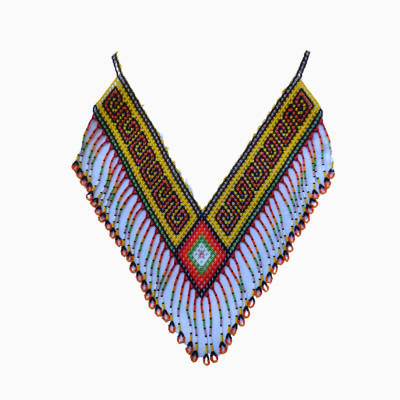
Amiwa Craftsmanship
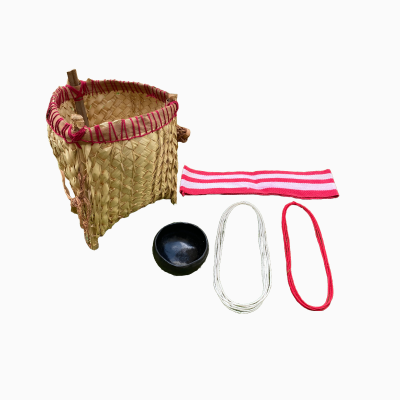
Coopaiter Craft
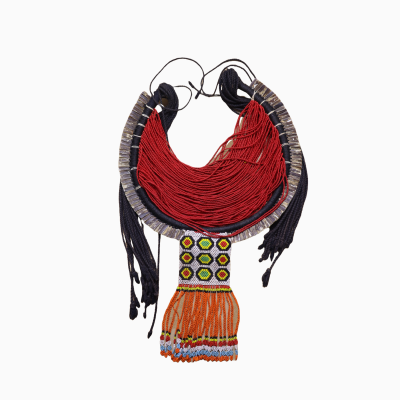
Chief Raoni's Craftsmanship
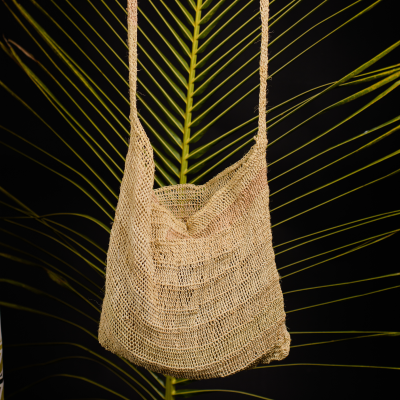
Dukaria Craft
Beadwork
Karo Paygap Craft
Molongó Craft
Olawatawah Craft
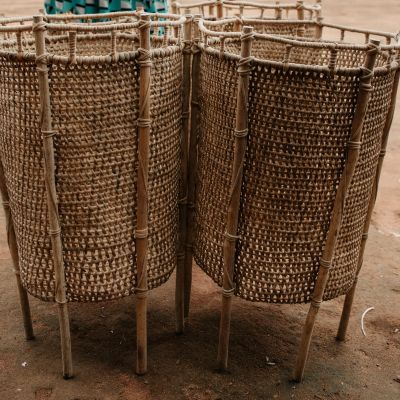
Panará Craft
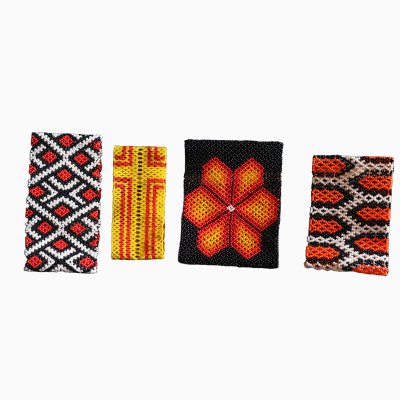
Tapayuna Craftsmanship from Xingu
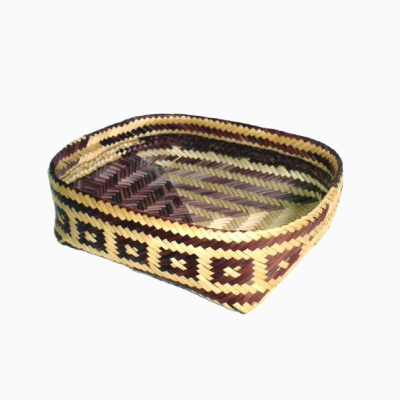
Teçume Craft
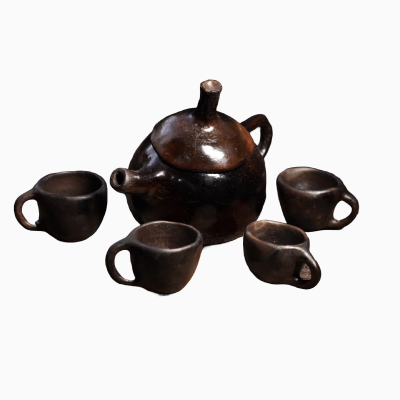
Wagoh Pakob Craft
Wanzeej Pakup Pit Craft
Xikrin Craft
Artesanato Xipaya
Yudjá Craft from Xingu
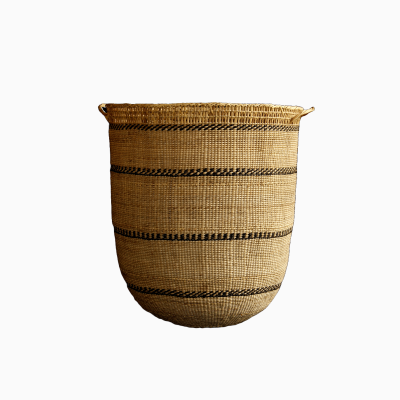
Yanomami Art
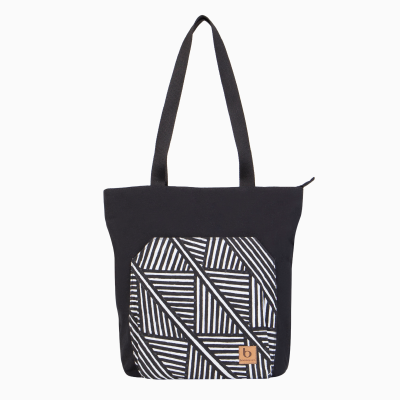
Menire Xikrin Bag
Natural Amazonian Eraser
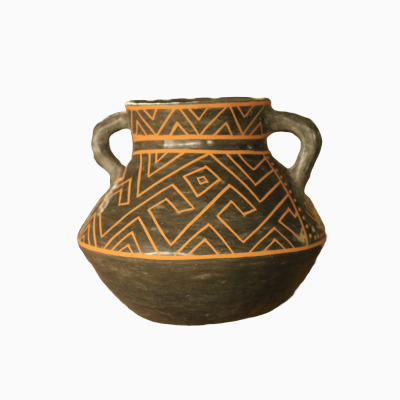
Baniwa Ceramics
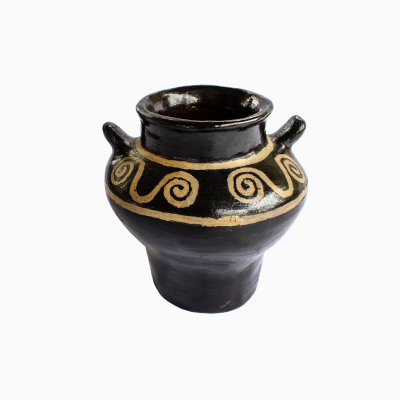
Tukano Ceramics
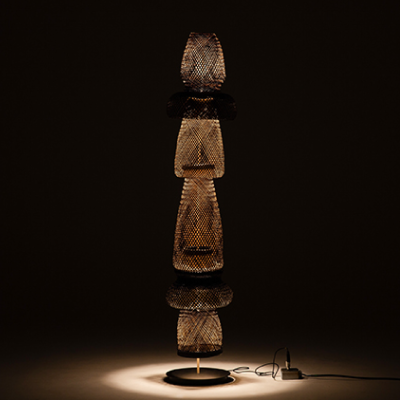
Arumã lamps
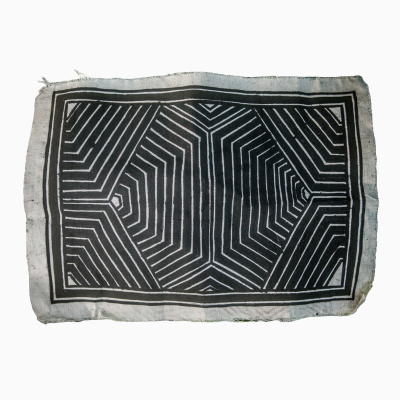
Fabric painting
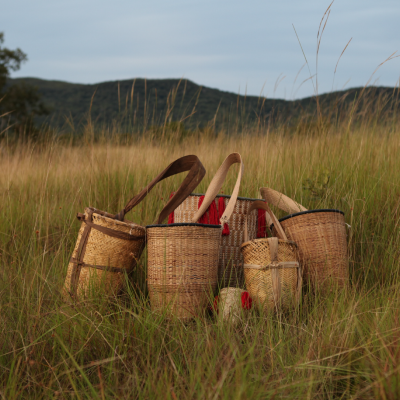
Weaving, fibers and wood
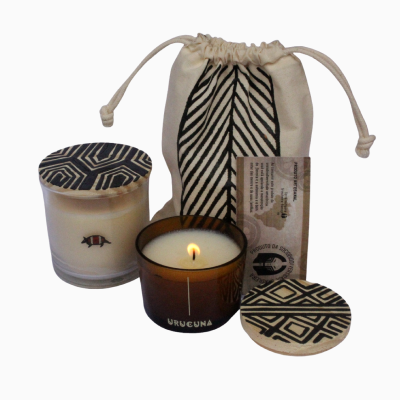
Handmade candle
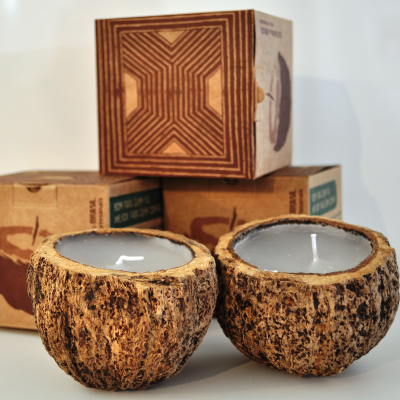
Handmade candle
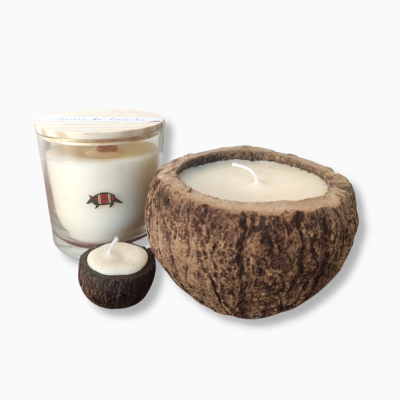
Forest protection massage candles
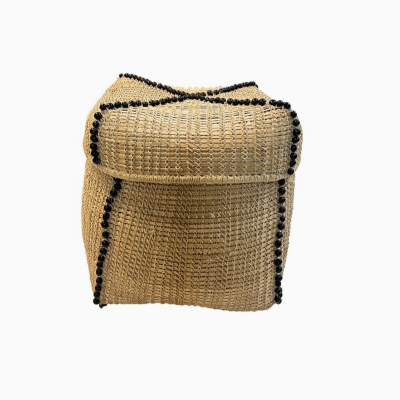
Parakanã Art
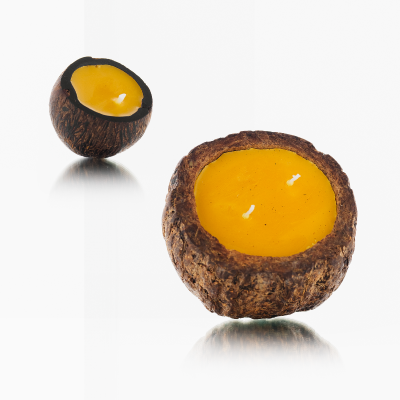
Massage Candles – Forest Light