


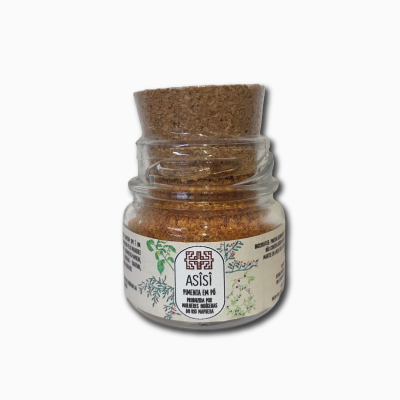
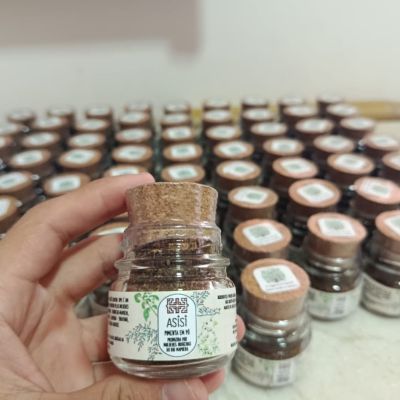
Asîsî pepper
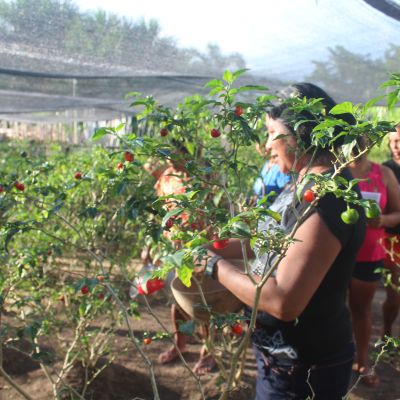
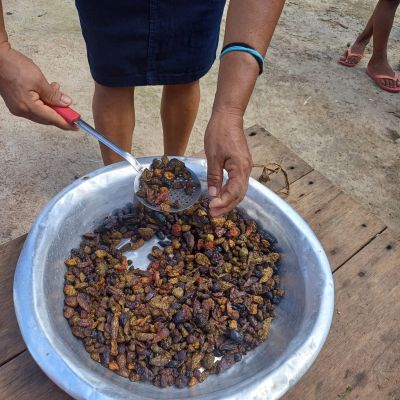
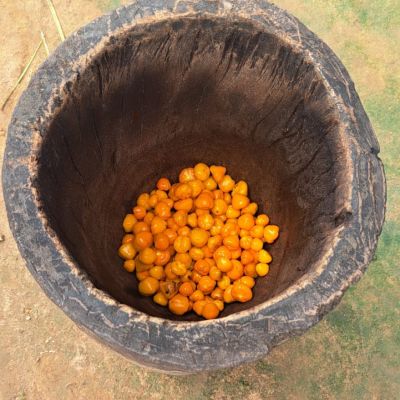
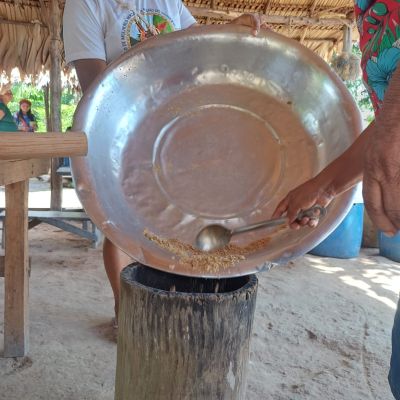
The Associação das Mulheres Indígenas da Região do Município de Oriximiná – AMIRMO (Association of Indigenous Women of the Oriximiná Region) – was organized as a women’s movement in 2014 and formally established on January 23, 2015. We are Indigenous women living in the villages along the Mapuera River, in northwestern Pará, a river that flows through three Indigenous Territories: Trombetas-Mapuera, Nhamundá-Mapuera, and Kaxuyana-Tunayana. We come from many peoples, including Wai Wai, Katwena, Tunayana, Cikiyana, Mawayana, Xerew, Parukwoto, Hixkaryana, Mînpoyana, Kaxuyana, Wapixana, and Kahyana. We work in our village gardens and clearings in the forest. From cultivation to harvest, we participate in every stage of the process, carrying cassava, yam, bananas, and other agricultural products in large straw baskets on our backs. We produce dehydrated pepper powder as well as moqueada pepper powder. Moqueio is a traditional smoking technique, in which the peppers are dried inside a tipiti—a basketry press made of arumã straw, crafted by the men in our villages. The peppers we produce are not just one variety, but many—each with different maturation times and preparation methods that create unique and remarkable flavors. The diverse methods of processing and preparing pepper powder—whether smoked (moqueada) or sun-dried—have been passed down through generations of women from our peoples, arriving in our hands today. We use these peppers in our own kitchens, to season fish, game meats, and beiju (cassava flatbread), adding distinctive flavors to roasts, broths, and our traditional cuisine. We also dedicate ourselves to Indigenous handicrafts, using raw materials from our forest, such as morototó seeds, which we transform into skirts, belts, earrings, necklaces, bracelets, armbands, and leg ornaments—either in their natural color or dyed with plant-based pigments. We work as well with glass beads, which we greatly value. The finest beads are produced in Europe and have reached us for more than a century. With them, we create intricate patterns reflecting our traditional graphics, as well as designs of animals and plants from our surroundings. Alongside beads and morototó, we also work with coconuts and other raw materials found in our Indigenous Territories. Through these, we produce beautiful objects that embody our history, our artistry, and the strength of us women and our peoples.
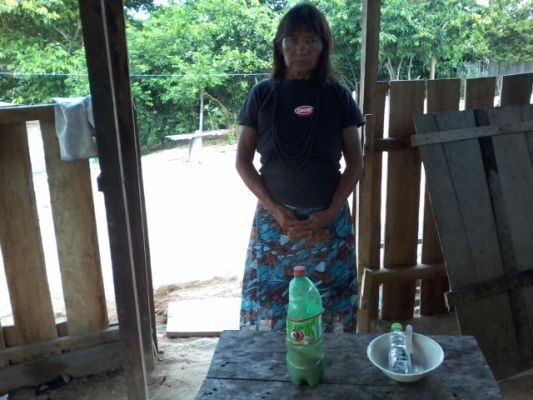
Jane txaraytxaray
Wai-wai
COMMUNITY ORGANIZATIONS


IMPACT
The harvesting of this product impacts:
IMPACT
The harvesting of this product impacts:
Learn more
See also
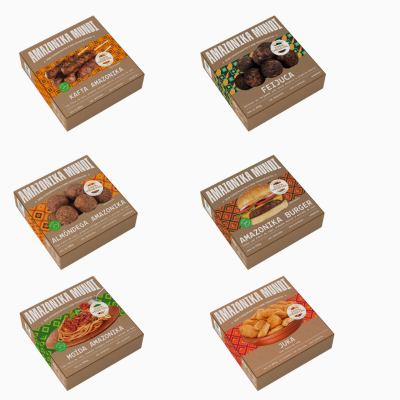
Plant-Based Foods
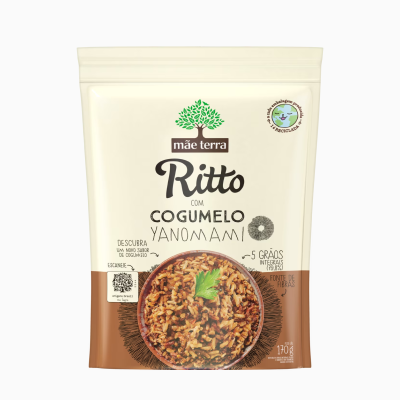
Ritto 7 Grains Rice
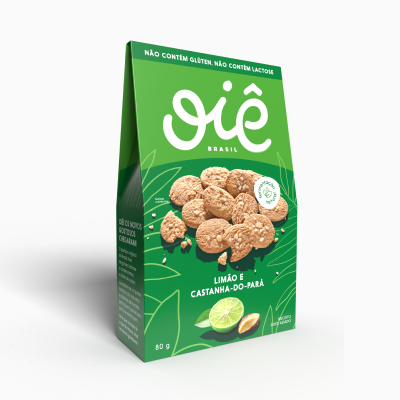
Pará Nut and Lemon Cookie
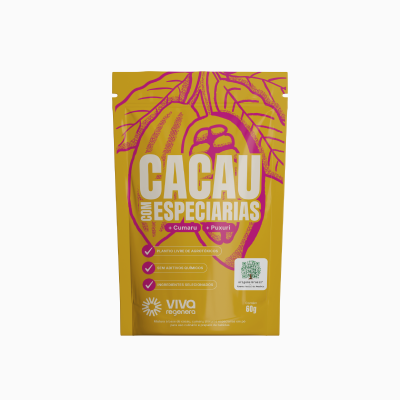
Activated Cacao from the Forest
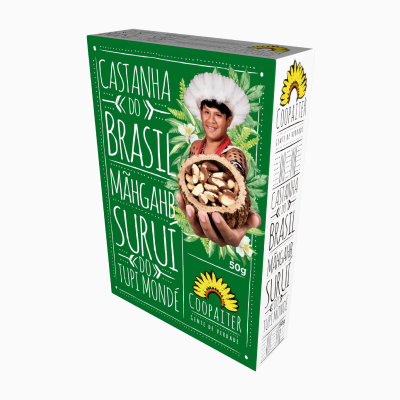
Coopaiter Brazil Nut
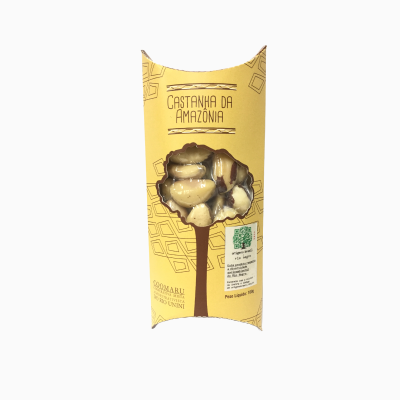
Amazon nut
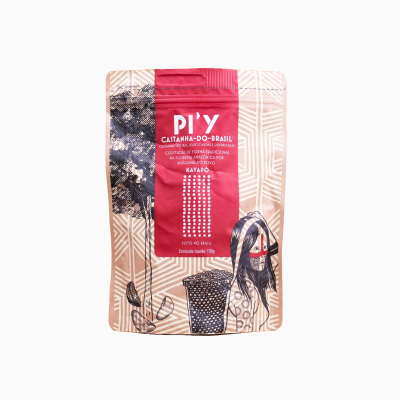
Brazil nut
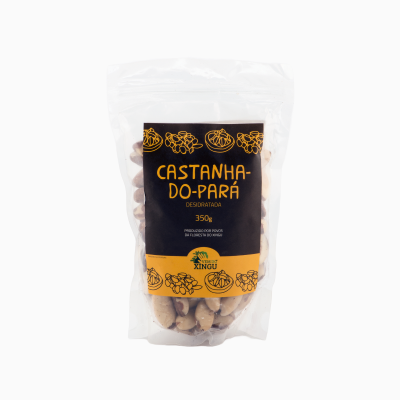
Brazil nut
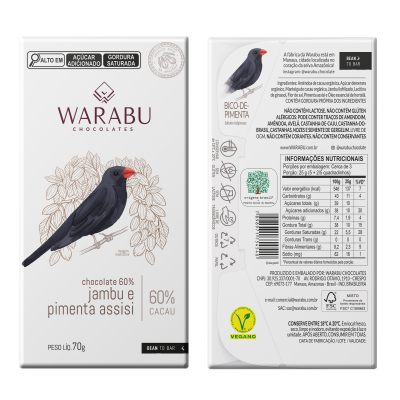
60% cocoa chocolate with Jambu and Asîsî Pepper
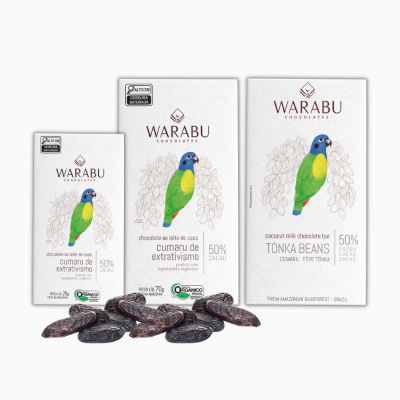
50% cocoa coconut milk chocolate with Cumaru
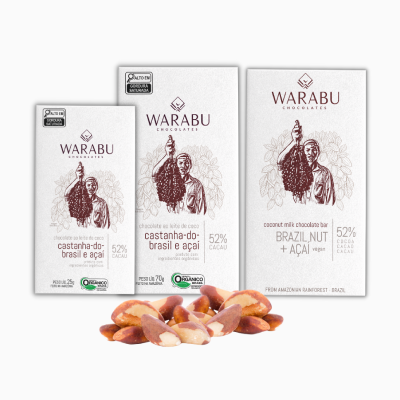
52% cocoa coconut milk chocolate with Brazil nut
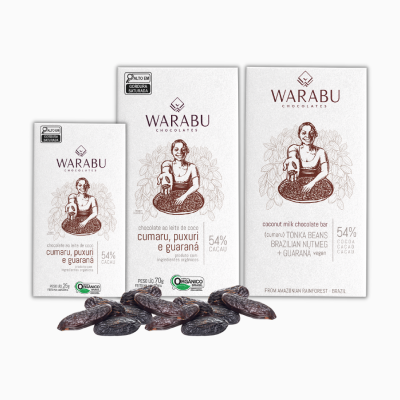
Chocolate ao leite de coco 54% cacau com cumaru
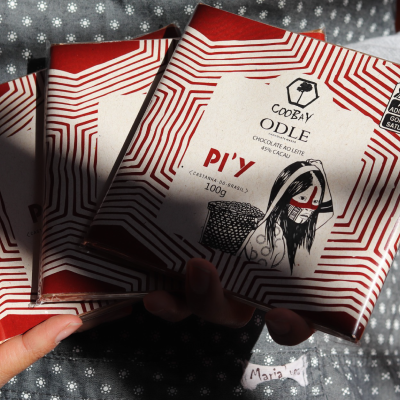
Chocolate com Castanha Kayapó
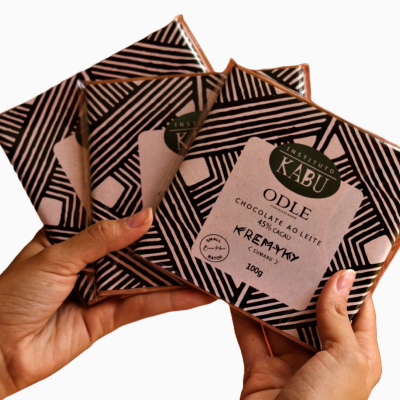
Special 45% cocoa chocolate with Kayapó Cumaru
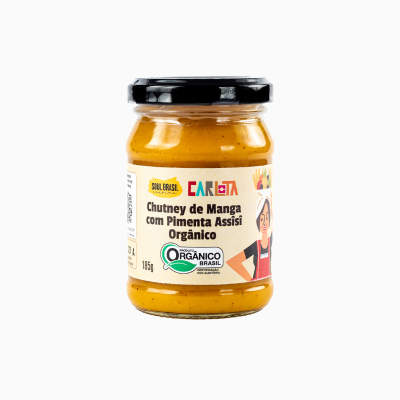
Mango Chutnet with Asîsî pepper
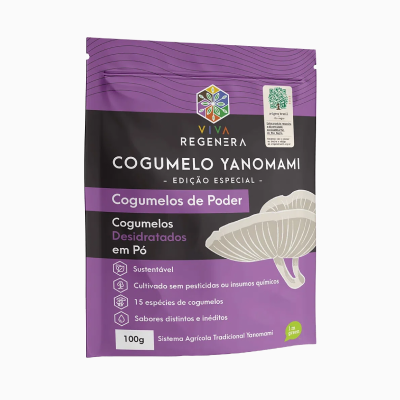
Yanomami Mushroom
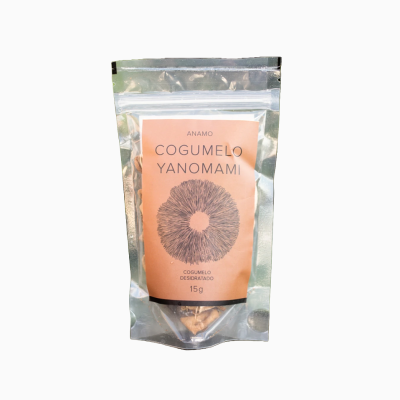
Cogumelo Yanomami
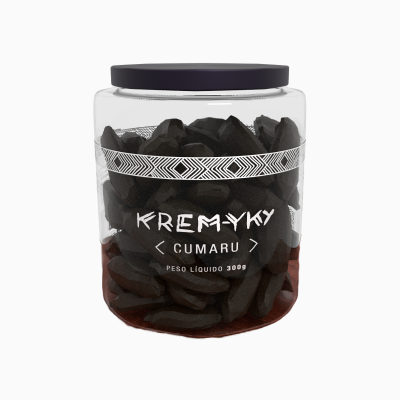
Cumaru
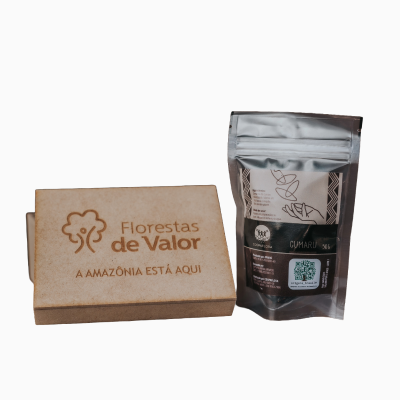
Cumaru
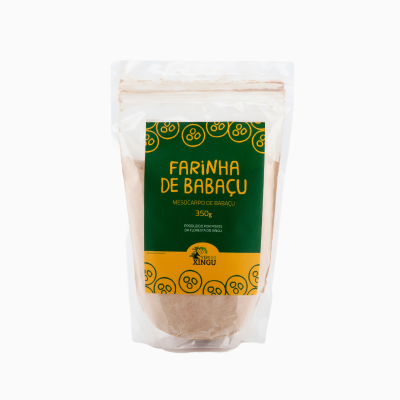
Babassu flour
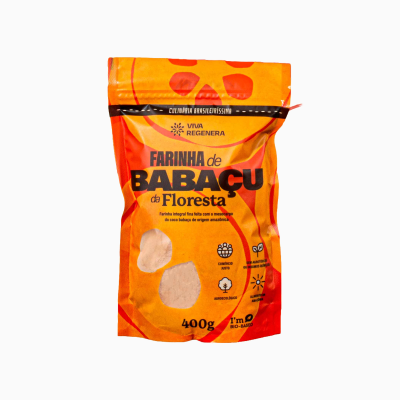
Babassu flour
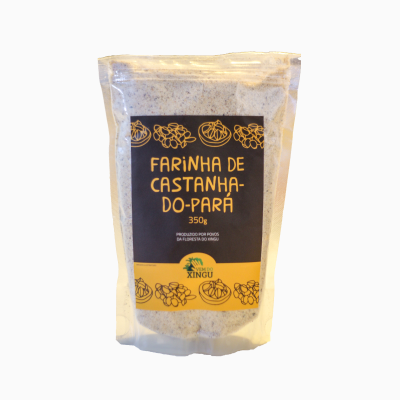
Brazil nut flour
Uarini flour
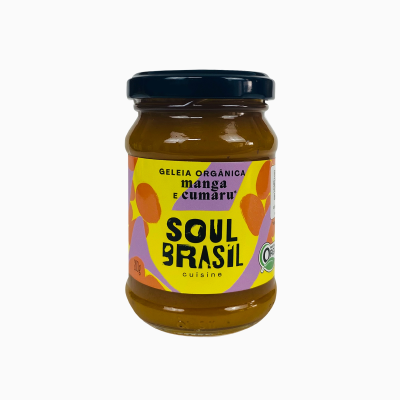
Mango jam with cumaru
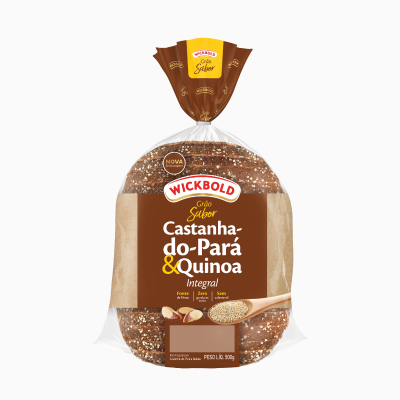
The Grão Sabor bread line from Wickbold features Brazil nuts.
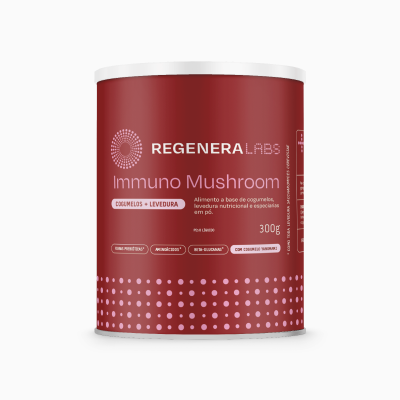
Immuno Mushroom
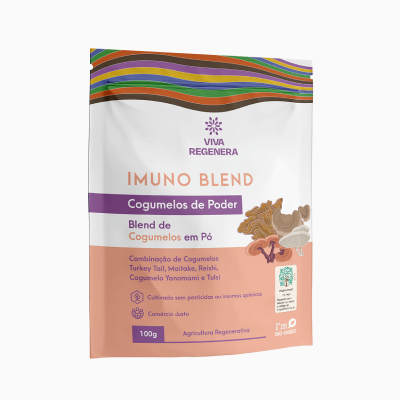
Imuno Blend
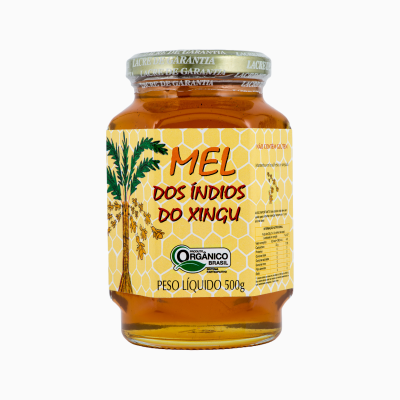
Honey – Xingu Indigenous Peoples
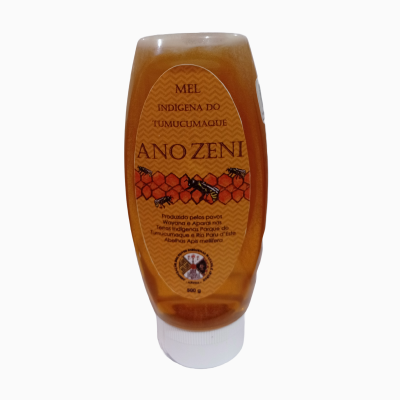
Tumucumaque Honey- Ano Zeni
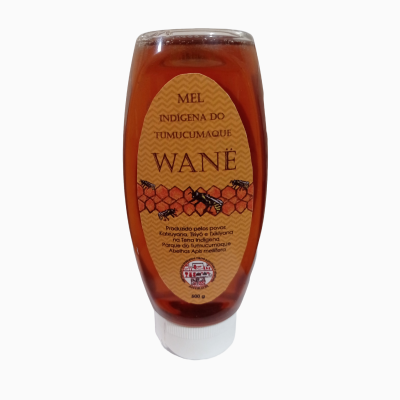
Tumucumaque Honey - Wanë
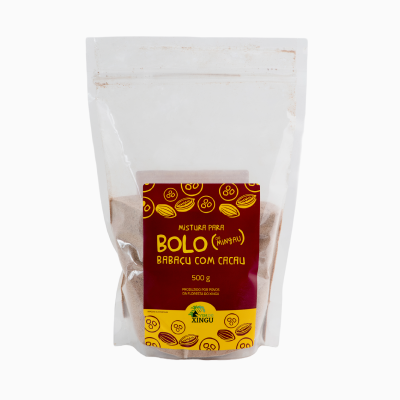
Babassu and cocoa cake mix
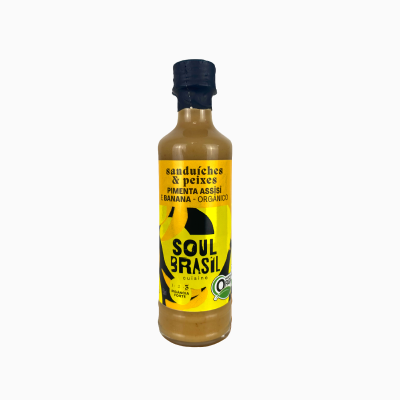
Banana sauce with Asîsî pepper
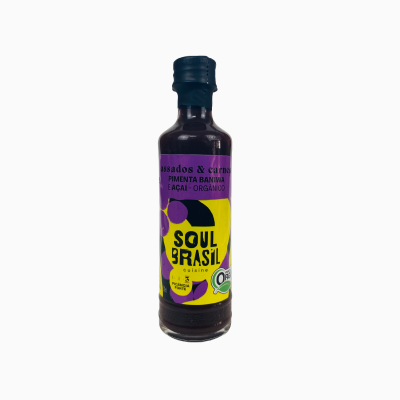
Baniwa Jiquitaia pepper sauce with açaí
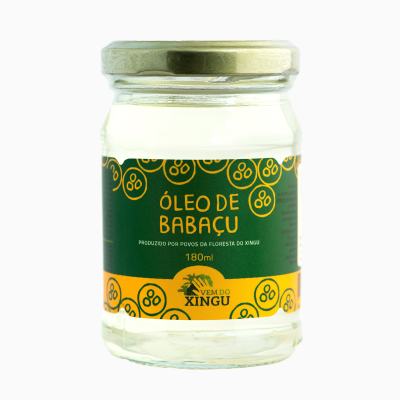
Babassu oil
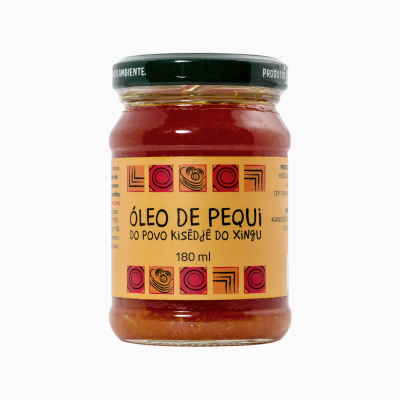
Pequi oil
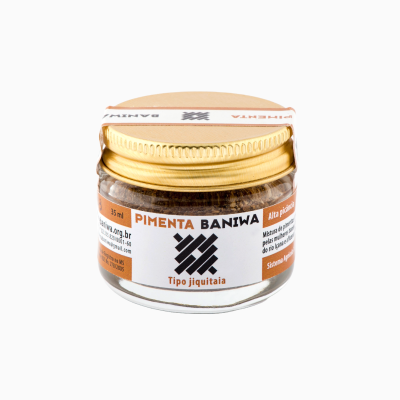
Baniwa pepper
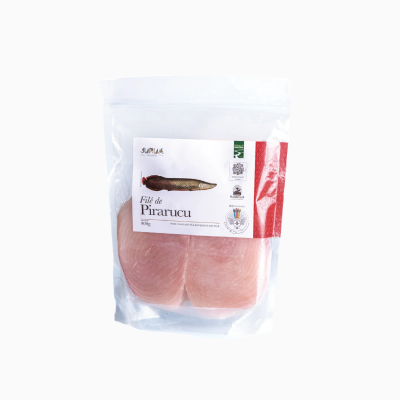
Pirarucu
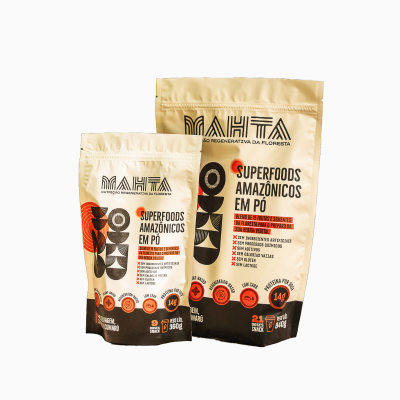
Powdered Superfood
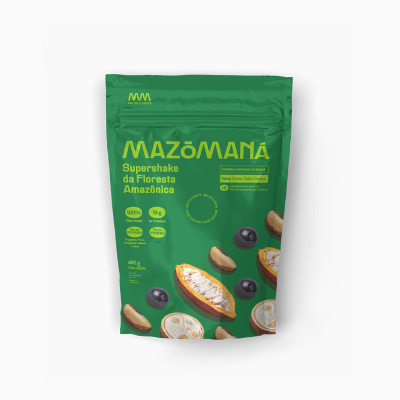
Supershake

Yerba Mate drink with Mushrooms
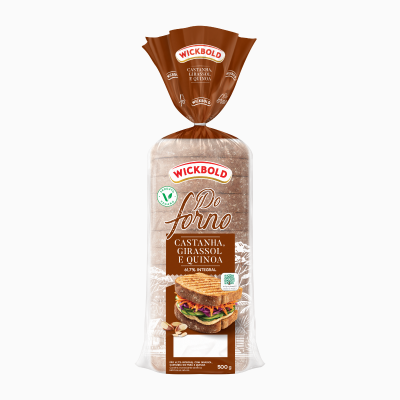
Castanha, Sunflower & Quinoa Oven-Baked Bread
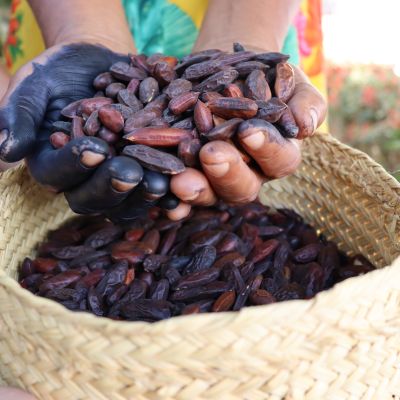
Cumaru
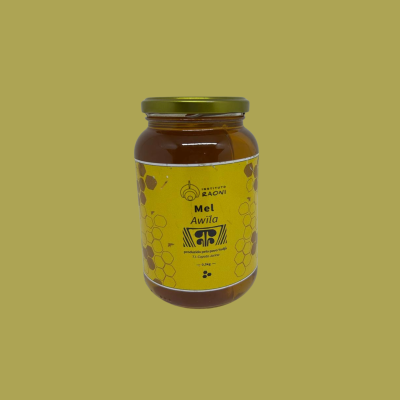
Honey
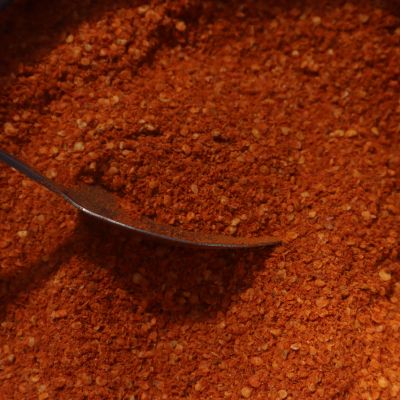
Yudjá Pepper